ARRANCADA Gear Ratios, Fuel, and Launch Setup
Short vs tall gears, gasoline / ethanol / methanol choices, and launch control habits that stick on 201m.
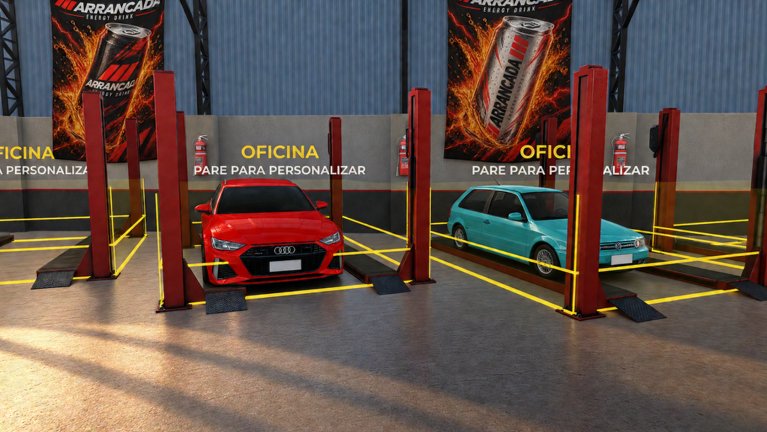
Horsepower gets attention; gear ratios and fuel decide whether that power hooks or boggs. In ARRANCADA’s Workshop you can reshape how the car leaves the line and how it pulls through a 201m pass (and longer 402m runs when available). This guide teaches a safe tuning process for gears, gasoline / ethanol / methanol, and launch control — without inventing multipliers or “perfect” numeric sheets that go stale after a patch.
Build on Tuning and Upgrades for Stage progression and Launch and Racing for tree and 60-foot skill. New players should finish Getting Started first.
Why gears matter on a short strip
A 201m drag is unforgiving. You only get a few shifts, so each ratio has a job:
- First gear — converts launch control RPM into forward bite. Too short can spin; too tall can bog.
- Middle gears — keep the engine in its happy band after the leave.
- Tall final gears — may help trap speed on longer passes but can hurt if you never get there cleanly.
Think in trends, not copied spreadsheets from chat:
- If the tach rockets and the tires break loose, consider a taller first or softer launch.
- If the car feels stuck and revs climb slowly off the line, consider a shorter first or more launch RPM — after you confirm power stages are not the real limiter.
- Change one gear at a time, then race a block of passes.
A clean gear-tuning workflow
- Lock fuel type and Performance stages for the test block.
- Write down your current first-gear direction (short / medium / tall) as shown in your UI.
- Make a small adjustment toward fixing the problem you saw on the last slip.
- Run at least five comparable launches (same staging habits).
- Compare average 60-foot and ET, not a single hero run.
- Only then adjust the next gear.
If you adjust every ratio between every pass, you will never know what worked.
Fuel choices: gasoline, ethanol, methanol
ARRANCADA lets you select gasoline, ethanol, or methanol. Community debate is loud; this wiki stays honest:
- Each fuel can change how the car makes power and how it feels off the line.
- Live menus show the current tradeoffs for your build — read them.
- We do not publish invented percentage boosts or claim one fuel always wins.
Practical approach:
- Pick a fuel and run a ten-pass baseline with fixed gears.
- Switch fuel once, keep gears identical, run another ten.
- Keep the fuel that improves your consistent slips for that car and stage.
- Re-check after a major Stage upgrade — the winner can change when turbo/engine climb (Tuning and Upgrades).
Event grind windows ([2x💵] and similar) are great times to fund fuel experiments without stressing your balance.
Launch control and gears together
Launch control sets the RPM you leave at; gears decide what that RPM does to the pavement.
- High launch RPM + very short first gear often equals smoke and slow 60-foots.
- Low launch RPM + very tall first gear often equals a sleepy leave.
- Dial launch control to a repeatable band, then micro-adjust first gear until 60-foots cluster tightly.
Revisit Controls if you struggle to hold launch inputs on mobile or PC. Muscle memory matters as much as the number on the slider.
Automatic vs manual while tuning gears
Automatic is excellent during gear and fuel tests because it removes shift mistakes from the data. Once the leave is strong, switch to manual and confirm your middle gears still land in the powerband when you control the upshifts. If manual ETs fall apart, the ratios may be fine — your shift timing may not be.
201m vs longer passes
- 201m: prioritize first gear and early shifts; trap-speed bragging matters less than a vicious leave.
- 402m-style runs: middle and tall gears plus fuel sustain show up more; still do not neglect the 60-foot.
When distance options change in a lobby or update, re-validate — do not assume your short-strip file is perfect everywhere. Watch Updates after patches.
Using the Runs panel for gear/fuel decisions
Translate slips into actions:
- Reaction fine, 60-foot poor → launch + first gear + fuel leave character.
- Strong short times, weak finish → later gears or fuel mid-pull.
- Wild variance between passes → your technique is noisier than the tune; stabilize launches before more edits (Launch and Racing).
What not to do
- Download a “god tune” and never look at your own slips.
- Change gears, fuel, turbo stage, and tire Visuals in one edit.
- Invent fuel multipliers in Discord and treat them as facts.
- Ignore Classificados car differences — a Gol GTI and an Audi RS6 will not share identical ratio needs (Cars and Classificados).
Session checklist
- Warm-up launches until reaction scatter shrinks.
- Baseline slips on current gears + fuel.
- One gear experiment block.
- One fuel experiment block (optional the same day).
- Save notes: what improved 60-foot vs what improved trap/ET feel.
- Park the car and stop while consistent.
Visual height, offset, and tire choices can change how a tune feels; treat them as a separate test series in Car Customization. Return to the Guides Hub for the full path from first race to Stage 4.
Good gear and fuel work is quiet: small moves, honest averages, and respect for the live Workshop labels.
Frequently Asked Questions
Quick answers about codes, tuning, 201m runs, and updates.
Which fuel is best in ARRANCADA?
There is no universal best. Test gasoline, ethanol, and methanol on your car and stages, and trust the Runs panel plus live menu info.
Should I shorten or lengthen first gear?
If you spin, try taller or softer launch. If you bog, try shorter or more launch RPM. Change one variable and retest.
Can I copy gear ratios from another player?
Use them only as a starting point. Different cars, stages, fuels, and drivers need their own validation on the strip.
Do gear tunes change after Stage upgrades?
Often yes. Re-check first gear and fuel after engine or turbo stage jumps so new power still hooks up.
Why does this page omit exact ratio numbers?
Because invented universal tunes go stale and mislead. ARRANCADA expects you to read live Workshop controls and measure slips.